I was washing dishes at the kitchen sink when I heard footsteps at the front door. I didn’t turn around. If I turned around without asking first, they would take away my reading glasses for a week.
The soap water was too hot. My back hurt from carrying groceries up the stairs all morning. My fingers were sore from folding everyone’s clothes. But I kept scrubbing the same plate again and again, because stopping meant trouble. Stopping meant angry voices.
The footsteps got louder. The whole house suddenly became very quiet, like everyone stopped breathing at the same time.
Then I heard a voice I hadn’t heard in five whole years. A voice that sounded sad and confused.
“Mom?”
My hand stopped moving. My heart started beating so fast I thought I might fall down. I turned around very slowly, afraid of what I would see in his eyes.
Marcus stood at the door wearing his army uniform. He had big bags on his shoulders. His boots were covered in dirt from faraway places.
He hadn’t even walked all the way inside before his eyes found me.
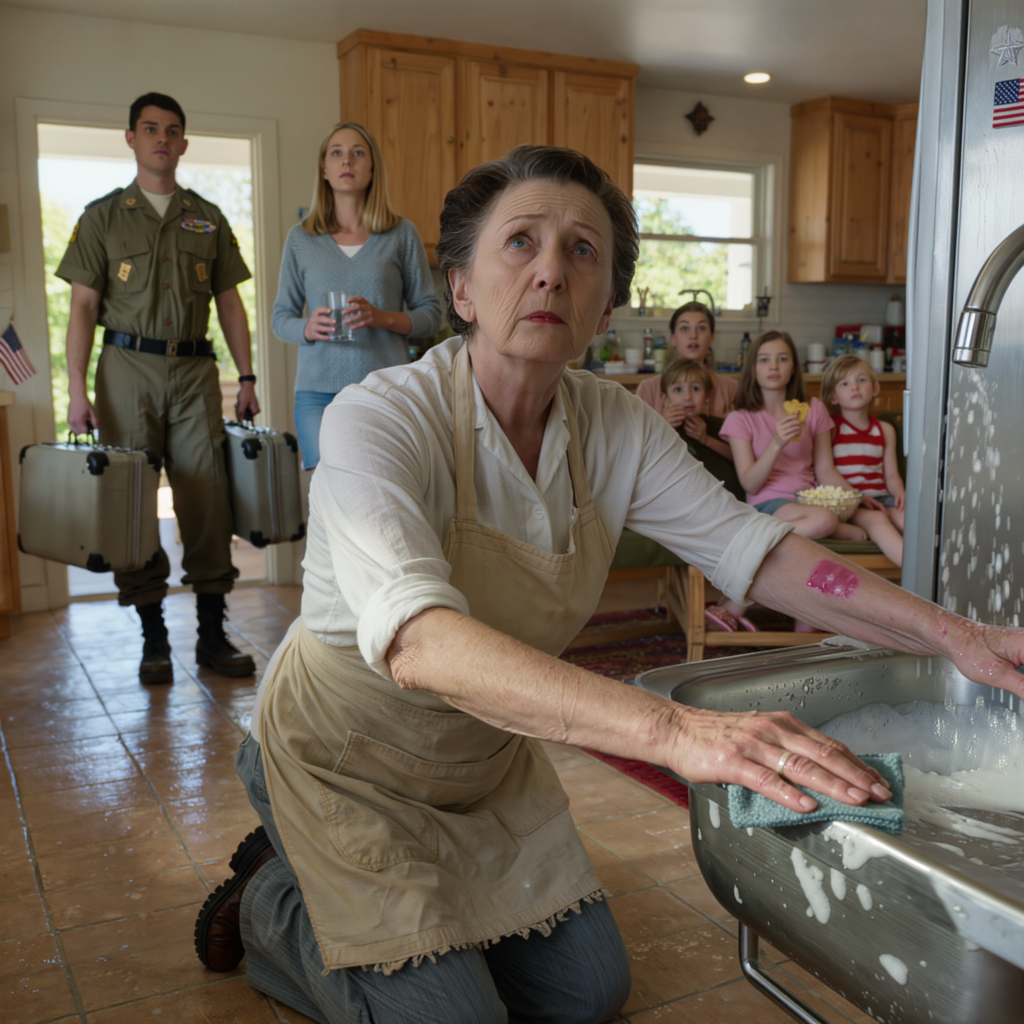
I was on my knees wiping the floor. I was shaking. I was wearing an old apron that didn’t belong to me. I was holding a dirty rag.
The smile on his face disappeared right away.
“Mom… is this really you?”
His words felt like they hurt him to say.
Behind me, the people in the living room stopped laughing. His wife’s mom stopped eating her snack. Her brother turned off the TV. His wife walked out from the bedroom holding a glass of juice like she got caught doing something wrong.
Because she did.
“You weren’t supposed to come back today,” she said nervously.
Marcus didn’t even look at her. He only looked at me.
He saw me on my knees on the floor. He saw my hands shaking. He saw the red mark on my arm from when I burned myself cooking their dinner last night.
Something broke inside him without making any noise.
“What is happening here?” he whispered.
I wanted to speak, but I felt too embarrassed. The words got stuck in my throat.
Her mother made a loud, angry sound.
“Please don’t be so dramatic. She likes cleaning. It makes her feel helpful.”
Helpful. Like I was a broom or a mop.
The look on Marcus’s face was scary. Not scary like a monster. Scary like a son who just saw something terrible happen to his mom.
He got down on his knees next to me. He picked up my hand gently.
He looked at the red marks. He looked at my shaking hands. He saw tears on my face that I tried to hide.
“Mom,” he said quietly. “Who did this to you?”
I couldn’t answer. Shame moves slower than truth. And right there, watching me, unable to talk, my son changed completely. Something old and strong woke up inside him.
If you’re watching this video right now, tell me what country you’re from. Because what happened next should never happen to any mother anywhere in the world.
Marcus stood up tall. His shoulders were tight. He was breathing hard like he was fighting something inside himself.
“Mom,” he said. His voice was low and cold and steady. “Get your things.”
His wife walked toward him fast.
“Marcus, wait. Let’s just talk about this.”
He didn’t look at her. Didn’t even blink.
“Get your things,” he said again.
Her family sat up straight on the couch. They looked scared for the first time ever. They had never seen him like this. Never seen what he looked like when someone hurt his mother.
I tried to stand up, but my legs felt weak. He held my arm to help me.
Then someone appeared in the hallway. A shadow moved forward. Someone who had no business being in my house at all.
The moment Marcus saw who it was, all the kindness left his face.
My son didn’t ask anyone if he could take me out of that house. He moved like a man who already made up his mind. Everyone else was just noise in the background.
The person in the hallway stepped closer. It was his wife’s brother.
He was wiping chicken grease from his fingers onto his pants like he owned everything. He stood near the door, puffed out his chest, and stared at Marcus with mean eyes.
“Hey, man,” he said loudly. “Nobody’s putting hands on her. You’re doing too much. Just calm down.”
Marcus didn’t look at him. He kept his eyes on me like a soldier trying to save someone from danger.
He touched my shoulder softly but firmly.
“Go to your room, Mama,” he said. “Pack whatever you can carry right now.”
My legs didn’t want to move. For so many months, every step I took in this house needed permission.
I had learned to ask, “Can I go sit down?” “Is it okay if I make some food?” Moving without waiting for someone to say yes felt strange and wrong.
“Marcus, you’re being so rude,” his wife said angrily, walking closer. “She smells like my perfume. She was using my things. She was standing on my floor in my house…”
She was talking like I was the problem.
“You can’t just take your mother away like that. We’ve been looking after her.”
The words made my stomach hurt.
Looking after. I’d heard that phrase too many times.
Marcus finally looked at her. His voice stayed calm.
“You’ve said enough today.”
Her mother stood up from the couch. Then she moved slowly and looked offended.
“I don’t know who you think you’re talking to, boy.”
He turned his head to look at her. For a second, I saw the man he had become in the world.
Not my little boy anymore. Not the son I watched play basketball in the driveway.
A man who had seen ugly things and learned how to handle them with quiet strength. Not loud anger. With control.
“With respect, ma’am,” he said, “this conversation doesn’t include you anymore.”
The room felt thick and heavy. Nobody was used to him standing up like this.
They were used to him being a voice on the phone. Easy to ignore. Easy to lie to.
My heart was pounding hard.
“It’s okay,” I said quietly out of habit. “We don’t have to do this.”
He looked back at me quickly.
“Just that one word,” and somehow it meant no more protecting them while you get hurt.
I went to my room.
My hands were shaking. I pulled my small suitcase from under the bed.
It was already half packed.
I hadn’t even realized I’d been doing it over the past few weeks. Putting aside a towel here, a dress there, my medicine for my heart. Deep down inside, I had been waiting for a day that felt like an escape.
When I came back down the hall, the air felt electric.
His wife stood with her arms crossed. Her eyes were bright with anger. Her brother stood near the door, still blocking it—more from pride than anything else. Her mother was shaking her head and mumbling like he’ll figure it out soon.
Marcus stepped between me and all of them.
He took the bag from my hand and opened the front door.
Sunlight came in like truth.
“Don’t you dare walk out that door with her,” his wife warned. “If you leave like this, don’t ever come back.”
He stopped. Just long enough to turn his head toward her.
There was no anger on his face. No begging, no confusion—just tired clarity.
“I’m not leaving,” he said. “I’m taking my mother home.”
He walked me out to the car like I was made of glass.
My legs felt heavy. My chest felt tight. I didn’t look back at the house.
I was scared if I did, they would make me stay the way they always did—with guilt and loud voices and talk about how I was ruining everything.
The car door closed with a soft sound. It felt like closing the door on a whole chapter of my life.
He put my bag in the back seat. He got in and started the car.
We drove without talking at first.
The neighborhood went by slowly: the same cracked sidewalks, the same tilted mailboxes, the same oak tree my husband used to sit under when he came home from work.
Everything outside looked normal.
Everything inside me was upside down.
My hands folded in my lap. I squeezed my fingers tight so he wouldn’t see them shaking.
“Are you okay?” he asked after a while. He kept his eyes on the road.
I swallowed hard. The words wouldn’t come out.
The shame was thick and heavy, sitting on my tongue like a rock.
Not shame for what they did.
Shame for what I let happen because I was tired and lonely and scared of being a burden.
My face crumpled before I could stop it. Tears slid down, hot and quiet.
I pressed my hand to my mouth, but the sound still came out—a broken little breath.
He reached across and put his hand on mine. He just left it there, warm and steady, like when he was a little boy and crawled into my bed after a bad dream.
“You should have called me, Mama,” he whispered. “You should have told me something was wrong.”
I stared straight ahead. The traffic lights blurred into streaks of color through my tears.
My voice came out small, like it had been locked in a dark place too long.
“They never let me call you.”
He drove until the houses spread out and the streets got quieter—until the noise of that neighborhood and that front door felt far enough behind us that I could breathe without tasting them in the air.
We stopped at a small motel, the kind with doors that opened right to the parking lot and a flickering sign that said VACANCY.
Marcus parked close to the room like he was ready for a quick escape if needed. He checked us in without asking what I thought.
Then he helped me out of the car like I was older than I felt yesterday.
Grief makes you age. Shame finishes the job.
The room smelled like cleaning spray and stale air conditioning. One bed, one small table, heavy curtains.
He put my bag down gently by the chair.
I sat on the edge of the bed. My hands were folded so tight my fingers hurt.
He stood for a while with his back to me, his hands on his hips, staring at the wall like it had answers written on it.
When he turned around, the anger from the house was gone.
This was worse.
This was the part where a child finds out their parent isn’t as strong as they thought.
“How long has it been like that?” he asked quietly.
No yelling. No blaming. That hurt more.
I licked my lips, searching for a way to make it sound smaller, less ugly.
“Didn’t start that way.”
He pulled the chair up in front of me and sat down. His knees almost touched mine.
His uniform looked too stiff for this little room.
“I need you to tell me everything, Ma. Don’t protect nobody. Not this time.”
I looked at his hands—those same hands that once brought me drawings and broken toys. Now they had scars and calluses.
I’d spent five years praying over those hands, asking God to bring him home safe from strangers.
It never crossed my mind.
I should have been praying about my own family instead.
“It got worse after your father died,” I said. Finally.
“First, everybody showed up. Grief brings food and visitors.”
“For a while, the house was full of people, all talking too loud, hugging too hard, promising to check on me. They did until they didn’t.”
“Most of them faded away like smoke… except one person.”
“Derek started coming by more. Almost every day. Said he didn’t want me sitting alone.”
“He’d bring milk and bread. He’d fix small things around the house.”
“He’d sit in your father’s favorite chair and talk about how we had to stick together now.”
A small smile touched my mouth as I remembered those early visits.
I held on to them longer than I should have.
“He kept saying, ‘You have your own life, your own war. I don’t want to bother you with little things.’”
Marcus flinched.
“He told you not to call me.”
“He said, ‘Soldiers need peace,’” I said quietly. “Said I’d make you worry.”
“Said you had enough on your mind without me adding my small problems.”
My eyes burned with tears.
It sounded kind. Like he was protecting you.
But evil doesn’t show up with a knife in its hand.
It comes with flowers and nice words, and that’s what makes it work so well.
“Then he started talking about help. He said I shouldn’t be cleaning and lifting and cooking so much.”
“Said there were people willing to help so I could rest.”
He didn’t have to say their names.
We both knew the couch full of bodies. The chicken bones. The way they didn’t lift their feet when I swept.
Marcus nodded.
“He brought them one weekend,” I continued. “Said they were your wife’s family and they just needed a place to stay for a little while.”
“I didn’t think it was forever. Just a visit.”
“I made up the guest room, cooked for them, smiled. That’s what mothers do. We make room.”
He leaned forward.
“When did you stop having a say?”
I swallowed hard.
“It wasn’t one day. It was little things.”
“Them staying another week, then another. Their stuff in my kitchen.”
“Him saying, ‘Ma, let them handle that. You go rest.’”
“Every time I tried to speak up, they’d look at each other like I was being mean.”
“And your brother would say, ‘We’re family. You don’t want to kick family out, do you?’”
I twisted my fingers together.
Remembering that first time, I felt like a stranger in my own living room.
“Then he changed the locks one day,” I said. “Said it was for safety. I didn’t ask who else got a key.”
Marcus’s eyes got sharp.
“Ma… who did he give keys to?”
I lifted my eyes to his.
This was the part I’d been carrying like a chain. Too ashamed to admit I trusted the wrong child.
“Your brother gave them the keys.”
The words sat between us like something heavy and sharp.
Your brother gave them the keys.
Marcus leaned back in the chair, his elbows on his knees, staring at the floor like he could see back through the months he’d been gone.
His jaw muscles jumped under his skin.
He didn’t shout.
That scared me more than yelling would have.
“When he first started coming around,” I said quietly, “it felt like a blessing.”
“Both my boys busy with their own lives, and there he was, checking on his mama.”
“He’d say, ‘You know I got you. I’m not going to let anything happen to you.’”
I could still hear that steady voice.
The same one he used when he talked about his job—about paperwork and rules and how people always tried to cheat, but he saw through them.
He carried that same confidence into my living room like it was another case to handle… only this time the person he was handling was me.
“He made it sound like protection,” I continued.
“He’d talk about people knocking on doors and tricking widows, trying to steal from them.”
“He’d talk about ladies at his work who lost everything because they trusted the wrong person.”
“And he’d look at me and say, ‘Not you, Ma. I’m watching out.’”
Marcus rubbed his hand down his face slowly.
“So you believed him.”
“I wanted to,” I admitted.
“He talked like he knew things I didn’t. Like he’d seen all the dangers and I was too tired to make decisions alone.”
“Every time I paused, he’d sigh that little sigh and say, ‘Ma, this is why folks get hurt. They wait too long. Let me help you.’”
Help.
That word had become a trap.
“At first, it was little stuff,” I went on. “Mail that looked important. Phone calls.”
“He’d answer instead of me. He’d sit at the table with papers spread out, talking about how certain bills needed handling.”
“How your father had left things messy.”
If I asked anything, he’d say, “You don’t need the stress of all this detail. That’s what I’m here for.”
The motel air conditioner hummed in the corner, blowing cold air that made my hot face feel strange.
I twisted my fingers in the bedspread, eyes on the faded pattern so I wouldn’t have to see disappointment in my son’s face.
“He started talking like there was always some rule I didn’t know,” I said. “Some policy. Some form.”
“He’d say, ‘Ma, the way things work now, you can’t just do whatever you want with the house. They’ll come after you. Let me handle it.’”
Marcus’s mouth went flat.
“And letting strangers move in was supposed to be handling it.”
“He handled his own needs,” I said softly. “But he didn’t do it all at once.”
“They came for a weekend first. Then he said they were moving between places and had nowhere to go.”
“If I looked worried, he’d remind me of all the horror stories he’d seen… people ending up in bad situations because they turned away good folks trying to help.”
“Good folks,” Marcus repeated.
The word sounded bitter.
“He acted like somebody who knew what could happen if I didn’t listen.”
“When I asked about the locks, he didn’t say, ‘I don’t trust you.’”
“He said, ‘I don’t trust what can happen out there. If something goes wrong, they call me first. Let me set things up right.’”
I remembered that day so clearly.
The new key cold in my hand, his hand over mine, his eyes steady and serious.
“He told me there were risks,” I said, stumbling over the word he’d used so often. “Said if somebody fell on the porch or said something against the house, I could lose everything.”
“He made it sound like he was protecting me from the big scary world.”
Marcus looked up, his eyes dark.
“And the whole time he was the one letting danger inside.”
My chest got tight.
“I didn’t see it that way,” I whispered.
“When I got overwhelmed, he’d pat my hand and say, ‘Ma, I deal with this stuff all the time. This is what I do. Trust me.’”
“And when I worried about them staying, he’d shake his head and say, ‘You always care too much about everybody but yourself. For once, let me handle it.’”
I wiped a tear away with my palm.
Every line I tried to draw, he stepped over—with that same calm voice like I was a child being stubborn and he was the one with sense.
Marcus sat back, arms crossed now.
He looked at me with a hurt I couldn’t mother away.
“He used you,” he said. “And he used my name to do it.”
I felt that like a knife, because that was the part I hadn’t said yet.
The part that tasted the worst.
I took a breath that shook my whole body.
“When I got nervous about how crowded the house felt,” I said, “I told him about them treating my things like theirs.”
“I said, ‘I don’t think this sits right with me.’”
“I said, ‘I don’t think your little brother would like coming home to all this.’”
I lifted my eyes to meet my son’s.
“He looked me right in my face,” I said, my voice breaking, “and he said, ‘You wanted things this way.’”
When I said those words out loud—You wanted things this way—it was like pushing a rock off a cliff.
There was no taking it back once it started falling.
Marcus didn’t move at first. He just stared at me like he was trying to see not the mother he left, but the woman who’d been living under his brother’s voice all this time.
His nose flared once. His hand closed into a fist on his knee.
Then slowly opened again, like he was reminding himself to stay calm.
“So he used my name,” he said quietly. “He used my uniform and me being gone.”
“And he used your trust in him to move them into that house.”
I nodded, shame heavy in my chest.
“He said you were busy serving the country,” I whispered, “and that the least he could do was handle things here.”
“Every time I pushed back, he’d say, ‘You know how your little brother is. He don’t want you stressed, Ma. I’m just doing what he would do if he was here.’”
Marcus’s eyes got hard in a way I hadn’t seen before.
The boy I raised would have cried or walked away to cool off.
The man in front of me became very still—controlled on purpose.
He reached into his pocket and pulled out his phone, laid it flat in his palm for a second, breathing slow like he was preparing for something he trained for.
“Ma,” he said. His voice low and steady. “What they did to you, it’s not just wrong.”
“It’s not just family stuff. It’s abuse.”
“And the fact that he’s wearing a badge while doing it…”
He shook his head.
“That changes everything.”
Fear jumped up in me at the word abuse. It sounded so official, so big—bigger than just me washing floors and biting my tongue.
“Marcus, maybe we should just leave it alone for now,” I said. “You just got home. I don’t want to cause trouble at your job.”
His eyes snapped to mine.
“This is trouble at my job,” he said. “They don’t get to hurt my mother and hide behind a badge while I’m deployed. That’s not how this works.”
He didn’t walk around. He didn’t rant.
He scrolled through his phone with a sure finger, tapped a number, and put it on speaker.
One ring. Another.
Then a clear voice answered.
“Legal Assistance Office. This is Captain Morris. How can I help you today?”
Marcus straightened in the chair like instinct.
His voice changed into something official but personal at the same time.
“Ma’am, my name is Staff Sergeant Marcus Coleman. I just got back from deployment.”
“I need to report something involving my mother. Elder abuse, possible financial pressure, and a family member in civilian police work.”
Hearing it said like that made my stomach twist.
Elder abuse. Pressure.
All those big words landing on my small, tired life.
The woman on the phone didn’t gasp or act shocked. Her voice stayed even.
“All right, Sergeant Coleman. Is your mother currently safe and away from the people involved?”
He glanced at me.
I folded my hands tighter like I could make myself worthy of being called safe.
“Yes, ma’am,” he said. “She’s with me at a motel off base.”
“The people are at her house where they’ve been living. She’s been working as their housekeeper in the home she owns.”
“Understood,” she replied. “I’m going to ask you some questions so we can figure out the best next steps.”
“I’ll need your mother’s age, her relationship to the alleged abusers, and a general timeline of when this started.”
He answered each thing calmly, like he was reading from a file he’d already made in his mind.
My age. My widowhood. The older son. The in-laws through marriage. The months after my husband died.
A slow shift.
“Has there been any physical harm,” she asked, “or threats if she tried to leave or contact you?”
I shook my head, then stopped, realizing she couldn’t see me.
“No hitting,” I said softly, “but they took my phone. They watched where I went.”
“Anytime I tried to talk about calling my son, they told me I was being dramatic.”
“Said I’d ruin their marriage and stress him for nothing.”
The captain listened.
I could hear keys clicking softly on her end, but she never rushed us.
“That still counts as isolation and control, ma’am,” she said. “Thank you for sharing that.”
My throat got tight.
Being believed by a stranger felt almost unreal.
“Sergeant,” she continued, “here’s what we can do.”
“First, I recommend you write down everything you can remember—what was said, any papers your mother was asked to sign.”
“Second, I’m going to connect you with a special-victim legal helper and give you contact information for local Adult Protective Services.”
“We can work with civilian authorities about the family member in police work, so you’re not trying to handle that alone.”
Marcus nodded even though she couldn’t see him.
“Yes, ma’am.”
“I also strongly suggest,” she added, “that you don’t return to the house alone or get into any fights without a plan.”
“Emotions are high, and with another party in police work, things can get bad quickly.”
“Let’s do this step by step.”
That word step by step settled something inside me.
This wasn’t a movie.
This was a process.
People who knew what to do.
“I’ll email you a list of what to gather,” she said. “And the words to use when contacting Adult Protection and local investigators.”
“You’re doing the right thing bringing this forward. We take it very seriously.”
“Thank you,” he said.
When he hung up, the room felt different.
Not lighter, but stronger—like the floor had changed from sand to solid ground.
He looked at me, eyes clear in a way I hadn’t seen since he first walked through that front door.
“We’re not just leaving that house,” he said quietly. “We’re going to prove what they did inside it.”
By morning, the room felt too small for everything we now knew.
The cheap curtains let in thin gray light. I watched it climb the wall while my son read the email on his phone over and over.
He’d taken off his outer uniform shirt. He sat there in his undershirt and cargo pants, still looking like a man on duty.
Only now the mission was me.
He handed me the phone so I could see.
The message from the legal officer was plain, not dramatic—just a list.
Write down living conditions.
Take pictures of injuries or signs of neglect.
Find any financial papers signed under pressure.
Record statements only if safe to do so.
Don’t destroy or change anything you find.
No big words.
No promises of instant justice.
Just steps.
“I need to go back to the house,” Marcus said, sitting on the edge of the bed.
The sentence cut through the little safety bubble I’d made in my mind overnight.
I gripped the blanket.
“Why? You already saw how they treat me. Isn’t that enough?”
He shook his head slowly.
“I believe you. But believing and proving aren’t the same thing.”
“Right now, it’s just our word against theirs.”
“And you know who they have on their side.”
He didn’t have to say Derek’s name. It hung between us anyway.
“The lady from legal said the more we can show, the harder it’ll be for them to twist it.”
“I’m not going to start a fight,” he continued. “I’m going to gather proof. Quiet and careful.”
I hated that he was right.
Hated that, in our own family, truth alone wasn’t heavy enough.
We had to weigh it down with pictures and papers and the right kind of words.
“What if they try to do something?” I asked.
“Your brother doesn’t like being questioned. You know how his face changes when someone tells him no.”
Marcus’s eyes softened.
“I know.”
“That’s why I’m not walking in there as your son who just found out.”
“I’m walking in like I did yesterday.”
“But this time, I’m listening for everything. Watching everything.”
“My phone will stay in my hand. I’ll ask questions that sound harmless, but aren’t.”
He held up the phone and tapped the screen.
“Camera works fine. So does the voice recorder.”
A fresh wave of worry moved through me.
“I don’t want you dragged into a mess, Marcus.”
“I’m already in it,” he replied. “They pulled me into it the minute they used my name to fool you.”
He stood and moved around the room with purpose—checking his wallet, his ID, his keys.
He tucked a small notebook into his pocket, the same one he used overseas to write down coordinates and reminders.
Now it would hold the details of my shame.
“Here’s what I’m going to do,” he said, thinking out loud.
“I’ll act like I just needed to cool off last night. I’ll apologize for overreacting.”
“Let them talk. People like that always want to explain themselves.”
“While they talk, I’ll record.”
“While they walk around that house like they own it, I’ll take pictures.”
“Any paperwork lying around, I’ll photograph that, too.”
I pictured him back in those rooms, surrounded by the same people who’d watched me on my knees on my own floor.
Anger flared up, but beneath it was a smaller, sharper shame.
“I don’t know what all they had me sign,” I admitted, my voice low.
“Sometimes it was after a long day. Sometimes they’d crowd around me—him talking fast, her putting the paper in front of me.”
“Somebody else saying, ‘Just sign so we can eat.’”
“Miss Gloria,” I’d tell myself. “I’ll read it later.”
Then later never came.
“That’s why I’m going,” he said. “To see what they thought they got away with.”
He knelt in front of me, hands resting on my knees like he used to when he was little and wanted my full attention.
“I need you to stay here.”
“Don’t answer any calls if you don’t know the number.”
“If something feels wrong, go straight to the front desk and tell them you need help.”
“I won’t be gone all day.”
My fingers found the edge of his sleeve.
“You sure you don’t want to wait for whoever she said to call? The state people… the other offices?”
“They’ll move faster if I give them something solid,” he said.
“Right now, we just have pain.”
“I want proof.”
That word again. Proof.
Like we were building a case file on our own blood.
He squeezed my hand once.
“Good.”
And headed for the door.
His shape against the motel light made my heart ache—my boy going back into a different kind of war zone with nothing but a phone and a list.
“Marcus,” I called softly.
He stopped, hand on the knob.
“Don’t let them twist your mind the way they twisted mine,” I said.
He looked back at me.
“You steady,” he said. “They had time with you, Ma. They don’t have that with me.”
The door shut behind him with a quiet click.
I sat there listening to the engine turn over outside, imagining him driving back down the same streets we’d escaped the night before.
Not to be fooled again.
To gather what he needed to prove the truth that had lived in my bones long before anyone put it on paper.
The house looked different in daylight—too quiet, too clean, like it was pretending.
Marcus parked down the street, far enough not to draw attention, and slipped in through the back door using the key his brother never thought he’d use again.
Inside, he kept his phone angled low, camera rolling.
Every few seconds he’d tap to capture still photos: the papers on the kitchen counter, the shoes by the door that weren’t his mother’s, the laundry basket full of clothes that didn’t belong to her.
He was standing in the dining room near the window when he heard the front lock turn.
Voices drifted in—Derek’s first, deep and impatient, followed by Jasmine’s sharp whisper.
“Don’t start yelling, Derek. You’ll scare her again.”
“She should’ve been awake by now,” came the answer, flat and strict, the kind of voice that expected obedience.
Marcus stepped quietly into the hallway, half in shadow.
Derek called out, his tone already shifting from annoyance to suspicion.
“Ma? You hear me?”
The silence that met him was heavy.
He moved through the living room fast, scanning.
When he turned toward the hallway, he froze.
Marcus leaned against the wall, arms folded.
“She’s not here.”
The air changed instantly.
Jasmine stopped mid-step, blinking at him like she’d seen a ghost.
Derek’s face went blank for half a second before tightening.
“What’s that supposed to mean?”
“It means she’s safe,” Marcus said.
For the first time in a long while, Derek laughed too loud.
“Safe? You make it sound like we’re criminals.”
“Are we?”
The question hit hard because it wasn’t shouted. It was just placed there—steady, waiting.
Derek moved closer, trying to take back control.
“You have no right to barge into my mother’s house. Our mother’s house.”
“Our mother’s house,” Marcus corrected softly.
“And start throwing blame around. You’ve been gone five years. You don’t know what goes on here.”
“I know enough.”
Jasmine tried to slide between them.
“Marcus, look, this is all a big misunderstanding. Your mama wanted us here.”
“She said that before or after you had her cleaning up after your family?”
His voice stayed even, but the words were knives.
Derek’s nose flared.
“Watch how you talk in my house.”
Marcus tilted his head, still recording, thumb brushing the phone screen like it was nothing.
“Funny. That’s the same tone you used on her, isn’t it?”
A muscle jumped in Derek’s cheek.
“I took care of things while you were gone. That’s what family does.”
“You mean taking over her accounts and making her sign forms she couldn’t read. That kind of care.”
“You don’t know what you’re talking about,” Derek snapped, voice rising.
“I know she was scared to call me,” Marcus said.
“I know she thought I told you to run the house this way.”
That landed.
Jasmine’s eyes darted to Derek, who suddenly looked older, heavier, the control slipping one thread at a time.
“She misunderstood. I was helping. Everything I did was for her own good.”
Marcus stepped closer, their eyes level now.
“You convinced her of that because you sound like authority when you say it.”
“You always did.”
Derek’s jaw locked. He lowered his voice, leaning in until it was almost a growl.
“You don’t understand how these things work. There are rules.”
“She needed watching. You weren’t here. Somebody had to keep things in order.”
There it was again—that cool, confident rhythm.
The one he used at his job.
The way he wrapped control in logic, pressure in politeness.
Marcus didn’t move.
“That’s not order,” he said. “That’s control dressed up like help.”
For a moment, the room was silent except for the low hum of the fridge.
Then Derek straightened, forced a smile that didn’t reach his eyes.
“You’ve been away too long. You don’t remember how your mama gets. She worries herself into bad choices.”
“She told me you preferred it this way.”
Marcus blinked once.
“What way?”
Derek’s answer came too fast.
“With me handling everything.”
The words hung there, and even Jasmine’s breath caught at how easily he’d said them.
Marcus looked down at his phone, then back up with a calm that cut through the room.
“Say that again.”
Derek frowned.
“What?”
“You said she told you I wanted things this way,” Marcus said. “Go ahead. Repeat it.”
Jasmine took a small step back.
Derek’s mouth opened, but nothing came out.
Marcus’s phone light blinked once in his hand, catching the reflection in his brother’s eyes.
And that’s when Derek realized the red light on the phone wasn’t a glare.
It was recording.
I didn’t find out what happened when my boys finally faced each other in that house until later that afternoon.
It was just me and the motel clock. The minutes sounded loud, dropping heavy into the room while I sat on the edge of the bed, hands twisted together, praying without moving my lips.
When Marcus came back, he didn’t speak right away.
He closed the door behind him, locked it, checked it twice, then set his phone gently on the table like it was carrying something fragile.
“You need to hear this,” Marcus said quietly.
He tapped the screen, and my own living room came pouring out of that little speaker.
I heard Derek’s voice first—suspicious, mean.
Then Marcus’s voice, calm as a flatline.
“She’s not here.”
I closed my eyes.
Even in the recording, you could hear the air shift.
Jasmine’s quick breath.
Derek’s steps crossing the floor.
“What’s that supposed to mean?” Derek asked.
“It means she’s safe,” Marcus answered.
For the first time in a long while, there was a beat of quiet.
And then Derek laughed. It wasn’t a happy sound.
“Safe. You make it sound like we’re criminals, little brother.”
The way he said little brother—like it was a chain he could pull.
I listened to my son hold his ground.
No shouting. Just statements that landed harder than any raised voice.
He talked about the cleaning. The papers. The way I’d been kept from calling.
Every word was another curtain pulled back.
Then I heard it.
That slight hitch in Derek’s breathing when he realized the red light he’d been staring at wasn’t just a glare.
“What you doing with that phone?” he snapped.
Marcus’s answer was simple.
“Documenting.”
A chair scraped.
Someone’s shoe hit the table.
You could feel the panic building on their side of the room.
“That’s illegal,” Jasmine’s voice cut in. “You can’t record people without permission.”
“I’m in my mother’s house,” Marcus said, “talking about my mother’s treatment.”
“You sure you want to argue about who has the right to be here?”
That’s when Derek’s tone changed.
I’d heard that tone before in stories he told about work—the one he used when he wanted to shut someone down.
“You know what,” he said, voice flattening out. “We’re not doing this.”
A soft thump, like fabric being moved.
Marcus paused the recording and looked at me.
“This is where he stepped closer,” he said. “You remember that little leather case he carries on his belt?”
He nodded.
I’d seen it a hundred times.
Never feared it until that moment.
“He pulled it out,” Marcus said.
Then he hit play again.
The sound of the snap echoed through the speaker.
Then Derek’s voice—low and official.
“Sergeant Coleman,” he said, like we’d never shared a bedroom growing up. “I’m telling you right now, you’re interfering with the care of a vulnerable adult and disrupting a lawful living arrangement.”
“Put the phone down.”
He was using work words now.
Lawful.
Interfering.
Words that made regular people back up, whether they were right or wrong.
Marcus’s reply was steady.
“A vulnerable adult you’ve been taking advantage of.”
“An arrangement you put in place by lying in my name.”
“You don’t want to do this,” Derek warned. “I can call this in.”
“Have you removed for trespassing. For harassment.”
“Oh, I could tell them you took her somewhere against her will.”
My stomach dropped just like that.
My own child’s safety was being held over a story my other child might tell.
“You really going to stand there,” Marcus said, “and try to arrest me in my mother’s house for taking her out of a situation you created?”
“You’re not listening,” Derek snapped.
The badge must have been in his hand. I could hear it click against something.
“This isn’t about you and your feelings. This is about rules. Elder protection. Oversight.”
“You don’t just take someone under care and run off with them.”
Under care.
That’s what he called it.
Marcus hit pause again and looked at me.
“He kept saying that,” he murmured. “Like you were a case file and not his mother.”
He pressed play.
“I’m giving you a chance,” Derek said. “Hand over the phone. Look out. Let me straighten this out with Ma when she gets back.”
“You go on back to your base. Keep your record clean.”
He let the words stretch.
I could picture the look on his face—the one he used to give kids in the neighborhood when they played their music too loud.
“Or what?” Marcus asked.
“Or I start this on paper,” Derek said. “And once it’s on paper, little brother, it don’t go away.”
“You think they won’t believe me over you? I wear this badge for a reason.”
The room on the recording went quiet.
I could hear my own heartbeat rushing in my ears, even though it was just a memory.
Then my son’s voice came through, calm in a way that made the hair on my arms stand up.
“Go ahead,” he said. “Put it on paper.”
“And while you’re at it,” Marcus added, “put on record exactly how long you’ve been using that badge to keep our mother under your control.”
The knock on the motel door wasn’t loud, but it went straight through my chest.
It wasn’t housekeeping. They knock quick and keep moving.
This one was steady, patient, like whoever was on the other side already knew they weren’t leaving without being let in.
Marcus checked the peephole first, his shoulders tightening.
Then he opened the door just enough to see, then wider to let them in.
“Mrs. Coleman?” the woman asked, stepping inside.
She didn’t look like how I imagined help would look.
No cape.
No soft church smile.
Just a neat blouse, a worn leather bag, and eyes that had seen too much wrong done to people who looked like me.
Behind her came a man in a plain suit. No swagger, no big introduction.
He closed the door quietly, glanced around the room, then nodded once like he’d just confirmed something he already suspected.
“I’m Miss Harper,” the woman said. “I’m with Adult Protective Services.”
She held up a badge.
Nothing flashy.
This is Mr. Cruz from the state’s Elder Justice Unit.
“Elder Justice.”
The words felt too big for our small room.
“We were contacted by base legal about your situation,” the man said.
His voice was calm—not kind, not cold. Just steady.
“They forwarded some concerns and a recording your son provided.”
My eyes flicked to Marcus’s phone on the table.
He had sent that conversation to people I would never meet.
And those people had sent these two to me.
The chain of it made my head swim.
“May we sit?” Miss Harper asked.
She didn’t assume that mattered.
Marcus nodded, feeling suddenly very aware of the wrinkles in my dress. The way my hands wouldn’t stop moving.
Marcus pulled the chair out for her.
Mr. Cruz took the other seat.
My son remained standing, leaning against the wall near the door, arms loosely folded—but ready.
“First,” Miss Harper said, looking straight at me, “I want you to know you did the right thing leaving that house with your son.”
“You are not in trouble.”
The words hit something sore and secret in me.
I didn’t realize I’d been waiting for blame until my shoulders dropped an inch.
“I don’t feel like I did right,” I admitted. “Feels like I lit a fire in my own family.”
“You didn’t light the fire,” Mr. Cruz said. “We’re just here to see who’s been pouring the gasoline.”
He opened a small notebook and clicked his pen.
“No rush,” he said. “We’re going to ask you some questions. Some of them you’ve probably already answered for your son.”
“I’m going to ask you to answer them again. Consistency helps us.”
“Take your time.”
So I did talk.
Not in big speeches—just in the small pieces they asked for.
“How long since your husband passed?”
“About a year and a few months,” I said. “It got worse after the funeral food stopped coming.”
“When did your older son begin visiting more often?”
“Right after. He said he didn’t want me alone too much.”
“Did he ever tell you not to contact your younger son?”
“He never said the words ‘Don’t call,’” I answered. “He just always had a reason why it wasn’t the right time.”
“He’s overseas. You’ll worry him. Let me handle things first.”
It added up.
They didn’t flinch or act surprised.
They just wrote.
“Who first suggested your daughter-in-law’s family move into your home?”
“Derek,” I said.
Saying his name in here felt different. Like putting it on a piece of paper.
“He said they were between homes. Said it would help me not feel so alone.”
“Did you feel you could say no?”
I thought about that.
“I felt like if I did, I’d be the bad guy. Ungrateful.”
“He has this way of making you feel foolish for not agreeing.”
Miss Harper nodded like she’d heard that exact thing before.
“Did you ever tell him you were uncomfortable with the arrangement?”
“Yes,” I said. “More than once.”
“What was his response?”
“Sometimes he’d pout. Sometimes he’d sigh and say he was doing the most.”
“But mostly he’d bring up my youngest. Say, ‘You know, Marcus don’t want you rattling around this big house by yourself.’”
“This is how he’d do it if he was here.”
Mr. Cruz’s pen stopped.
“He used your younger son repeatedly as justification.”
“He wore his name like a uniform,” I said quietly. “Made it sound like this was all my baby’s idea.”
They exchanged a look—professional, connecting dots I couldn’t see.
“Your son mentioned documents,” Mr. Cruz said. “Papers you were asked to sign. Do you remember what they were?”
“Not exactly,” I said, shame crawling up my neck.
“Bills. Insurance things. At least that’s what they told me.”
“He talked fast. Flipped pages. Pointed where to sign.”
“If I slowed down, he’d remind me how busy he was, how he was late for his shift.”
“I stopped asking questions after a while.”
“Did you understand that some of those documents might have affected ownership of your home or access to your money?”
I swallowed hard.
“Not then.”
Miss Harper leaned forward slightly.
“Do you feel you were pressured to sign? That saying no wasn’t really an option?”
“Yes,” I whispered.
Saying it made my chest hurt.
Mr. Cruz glanced at Marcus.
“We’ve reviewed portions of your recording,” he said. “Combined with what your mother’s told us, there is enough concern to move forward.”
“Move forward how?” my voice came out small.
“We’ll need to see the house,” he said. “Speak to everyone living there. Compare what they say to what we already have.”
He closed his notebook gently.
“But I need to ask you something first, ma’am.”
I met his eyes, feeling suddenly like a child called to the front of a church.
“When we walk into that house today,” he said, steady and clear, “are you ready to stand on the side of what happened to you?”
“Even if the person we hold responsible is your own son.”
When we pulled up to my house this time, I didn’t sit in the passenger seat like somebody being dropped off.
I was in the back, between Miss Harper and my own heartbeat, while Mr. Cruz rode up front with Marcus.
We didn’t talk much.
The kind of quiet that came with us wasn’t weakness.
It was preparation.
My front porch looked smaller with a state car parked at the curb.
Same flower pots. Same doormat.
Different energy.
Jasmine opened the door with attitude already loaded on her face, but it melted when she saw who was on my side.
Her eyes did a quick sweep—me, my son, the woman with the badge, the man with the notebook.
“What’s all this?” she demanded. “You bringing strangers to our door now.”
“Our door,” I repeated softly.
The word tasted wrong coming from her.
Miss Harper spoke before Marcus could.
“Good afternoon. I’m with Adult Protective Services. This is Mr. Cruz, State Elder Justice Unit.”
“We’re here to follow up on a report regarding Mrs. Coleman’s care and living situation.”
The way she said care made it clear she was not impressed with what she’d heard so far.
Jasmine tried to laugh it off.
“Care? Oh Lord, Gloria, what you been telling them. We’ve been helping you.”
Mr. Cruz stepped forward, polite but firm.
“We’ll need to speak with everyone who’s been living here,” he said. “Separately.”
You could see the fight start behind her eyes.
“You can’t just come in and demand—”
“Yes,” he said calmly. “And we will.”
Inside, the house smelled like fried food and air freshener—familiar and foreign at the same time.
Her mother and brother were at the dining table. They went stiff when they saw the badges.
Chairs scraping like they’d been caught mid-bite of something they weren’t supposed to have.
“We’re conducting a welfare check and preliminary inquiry,” Miss Harper explained. “No one is under arrest at this moment.”
“We just need to ask some questions and clarify a few things.”
At this moment.
Those three words sat there like a warning.
They put me on the couch—the one I’d once picked out with my husband, now holding the weight of everything that had happened since.
Marcus sat close enough that our shoulders almost touched.
Miss Harper stayed with us while Mr. Cruz took the others one by one to the kitchen.
Door open.
Voices low.
But clear enough for us to catch bits and pieces.
“Who pays the utilities?”
“How long have you been sleeping here regularly?”
“Did you ever contribute to the mortgage?”
Each answer was another line on some invisible list.
When it was Jasmine’s turn, she rolled her eyes, but went anyway.
I watched her walk down the hallway like she was headed to a performance she’d rehearsed in her head.
She’d always been good with words—soft ones for company, sharp ones for me.
At first, her voice was smooth.
“We moved in to help,” she said. “She’s like a mother to me.”
Then Mr. Cruz must have put something on the table because the tone shifted.
Her words started coming out thinner.
“That’s my signature… but I didn’t—no.”
“He handled most of that.”
My chest tightened.
I reached for Marcus’s hand without thinking. He laced his fingers through mine.
Miss Harper watched too, her face unreadable.
“This is usually how it goes,” she murmured quietly. “The story sounds one way until they realize we’re looking at paper, not just faces.”
A minute later, we heard a chair scrape loud against the kitchen floor.
Then Jasmine’s voice, now polish gone.
“He said it was covered. He said nobody would trace it back like that.”
Face covered.
Words that did not belong in a good story.
Mr. Cruz called out.
“Mrs. Coleman, would you mind coming in for a moment?”
My legs felt like they weren’t part of me, but I stood.
Marcus moved with me, solid and quiet.
In the kitchen, the table was spread with copies—printouts of bank activity, property records I’d never seen, and a still frame from the recording where Derek had his badge half out, mouth caught mid-threat.
Jasmine’s face was blotchy, makeup smudged in the corners of her eyes.
Her hands twisted a napkin into a tight rope.
“Ma,” she started, reaching out like we were still on those terms. “You know, I never meant to—”
Mr. Cruz lifted a hand.
“We’re going to keep this focused,” he said.
He tapped one of the pages.
“We’ve confirmed that money was moved from accounts in your name into an account controlled by your older son, with your daughter-in-law as a secondary person who can use it.”
“We also have proof of your home’s title being changed on paper despite no real sale or clear permission.”
She flinched.
“That was his idea,” she blurted. “He said it was just positioning. He told me it was smart for the future.”
“For whose future?” Miss Harper asked gently.
Jasmine’s eyes dropped to the table.
“Ours,” she whispered. “Mine and his.”
The room went very quiet.
Even the fridge seemed to hum softer.
“He told me,” she rushed on, “that your son didn’t really value you. Not like he did.”
“He said you were old-fashioned, stuck in grief, that somebody had to step in and keep the house from going to waste.”
“He said if we did what he planned, there’d be enough money for all of us.”
“That your husband hadn’t used the house right… that we would.”
My throat burned.
“And scrubbing floors was part of that plan?” I managed.
Her eyes filled, tears spilling over now without permission.
“I didn’t start it that way,” she said.
“At first, it was just… help your mother keep up.”
“Then he’d joke in front of his people about you needing something to do.”
“Then his mother would ask you to bring this, clean that.”
“If I said anything, he’d say, ‘She’s fine. She likes it. She’s from that generation.’”
She swallowed hard.
“He told me to make sure you stayed dependent, so the paperwork wouldn’t be questioned.”
“Said if you looked like you couldn’t manage, nobody would doubt you needed watching… control.”
Mr. Cruz wrote quietly in his notes.
The words sat heavy in the kitchen.
“And the two of you,” Marcus asked, his voice low but sharp, “how long has that been going on?”
She broke.
Whatever thin pride she’d been holding on to crumbled.
She pressed the napkin to her face, shoulders shaking.
“Since the second year you were gone,” she choked. “He said you didn’t have to know. He said you’d moved on.”
“He said…”
She looked up.
And the last sentence came out like a confession and an accusation all at once.
“He said you were just a paycheck waiting to be redirected.”
I had always thought a signature was a small thing—just ink and habit.
You sign for packages, for checks, for school slips.
You sign because people put paper in front of you and expect your hand to move.
I didn’t understand a person could take your whole life and hide it inside one crooked line.
Mr. Cruz laid more pages on the table.
This time he slid his notebook aside and made space with a care that made my stomach tighten.
The room was fuller now. Her family pushed back against the walls.
Miss Harper at my shoulder.
Marcus standing just behind me, like a second spine.
“We’ve pulled the most recent filings connected to this address,” Mr. Cruz said. “Some are routine. Some are not.”
On top was a copy of something with lots of small print and the county seal at the bottom.
My name was near the middle in ink that looked like mine, but leaned funny at the end.
“Mrs. Coleman,” he said, tapping that wobbled line, “do you remember signing this?”
I leaned in.
The words blurred at first.
He didn’t rush me.
“I remember a stack one day,” I said slowly.
“He said the city needed to update their records after your father passed. I was so tired that week.”
“Who handed you the pen?” Miss Harper asked.
“Derek,” I murmured.
“He said if I didn’t get the papers back quick, they’d fine me.”
Marcus’s hand tightened on the back of my chair.
Mr. Cruz flipped the page up just enough to show the title at the top.
“This is a deed transfer request,” he said. “It reclassifies your home from solely in your name to joint with your older son.”
“Within six months, another version lists him as primary.”
The room tilted.
“He never said that,” I whispered. “He said it was just paperwork for widows.”
“Did he explain you were giving up majority control of the house?” Mr. Cruz asked.
“He used words like protection and efficiency,” I said, heat climbing my neck. “Not give up. Never those.”
From the doorway came a voice I knew too well.
“You’re twisting this.”
Derek stood there in his work pants and department polo, badge clipped at his hip instead of in that little case.
He must have come in through the back.
Nobody heard the door over all that paper.
His eyes swept the table, then my face, then Marcus.
“You brought state people into my mother’s house,” he said.
His tone was almost amused.
“You really trying to make a scene?”
Mr. Cruz didn’t stand.
He just turned his head in a slow, deliberate way.
“Officer Coleman, I presume,” he said. “We were about to call and request your presence. Saves us a step.”
Derek’s jaw flexed.
“You had no right to pull my mother into this mess. She doesn’t understand half of what y’all are saying.”
“I understand enough,” I said.
The sound of my own voice surprised me.
“I understand you told me I was signing one thing, and they’re saying it was something else.”
He looked at me—then really looked.
For a moment I saw panic slip through that calm.
“You know I would never do anything to hurt you,” he said quickly. “Those papers were to make things easier.”
“Something happened to you.”
“Something already did,” I cut in.
“It happened the day you stopped talking to me like your mother and started talking to me like a problem.”
Mr. Cruz slid another page out—bank letterhead this time.
Joined account authorization.
He read.
“Money moved in round numbers to a secondary account under your name with your son as co-owner.”
“Later changes list your daughter-in-law as an authorized user.”
He angled it so I could see the signature again.
The pen stroke uneven—like my hand had been pushed to keep up.
“Did you intend to give them that access?” he asked.
“No,” I said.
The word shook.
Derek stepped forward, hands spread like he could smooth the table flat.
“She doesn’t remember all the conversations we had,” he said quickly. “She was overwhelmed. I walked her through every decision.”
“Did you ever tell her she could say no?” Miss Harper asked.
He blinked.
“That’s not how this works. Y’all know the law. An elder in her situation needs structure.”
“She needed someone to keep track of things. I’m that someone. Always have been.”
“You’re not answering the question,” Mr. Cruz said.
His voice stayed calm, but the air around his words felt sharper.
“Did you tell her she had the choice not to sign?”
Derek’s eyes flicked to the badges, then to Marcus, then back to me.
“I told her what was best,” he snapped. “She’s never been good with paperwork. You ask her—she’ll tell you.”
They both looked at me.
My throat felt dry as dust.
Memories rose—his pen tapping, his watch glancing, his sigh when I hesitated.
The way he’d say, “Ma, stop making this harder than it has to be.”
“He didn’t put it like a choice,” I said. “He put it like a warning.”
Mr. Cruz nodded once, wrote something down, then set his pen aside.
“That’s the difference,” he said. “Help versus control.”
For the first time since he walked in, Derek’s composure cracked.
“You’re not about to sit here and label me some kind of criminal,” he said, voice rising. “I’m the one who stepped up while he was gone.”
He pointed a finger toward Marcus.
“I kept this house from falling apart. I kept her from being tricked.”
“I used my position to protect her.”
“Your position gave you power,” Mr. Cruz replied. “What you did with that power is what we’re interested in.”
Miss Harper turned to me again, her tone gentle but exact.
“Ma’am, just so we’re clear for the record—if your son had told you these forms would put your house and money largely under his control, would you have signed them?”
The answer came out of me before I could soften it.
“No.”
Derek’s head jerked like someone had hit him.
And in that small, shaking word, he heard what the rest of us already understood.
His control over my life had just been put in writing—but not the way he planned.
I always thought if I ever saw one of my children in handcuffs, I would scream, rip my clothes, fall out on the floor like the women you see on the news.
I didn’t do any of that.
When it finally happened, the room was too quiet for drama.
It felt less like a scene and more like paperwork catching up.
My no was still hanging in the air when someone knocked twice on the open front door.
Two uniformed officers stepped in.
They wore navy—not the color my son wore to work.
Behind them came another man in a plain shirt with a badge clipped at his belt, but not from our town.
Miss Harper glanced at Mr. Cruz, then moved slightly to the side, giving them space.
They’d been expecting this.
I realized then that move forward in their language meant more people at my door.
“Afternoon,” the lead officer said.
He didn’t raise his voice or puff his chest.
He just looked around the room, taking in the table—papers, my face, Derek standing stiff with anger.
“Which one of you is Officer Coleman?”
Derek straightened by instinct.
“Me,” he said. “What’s this about?”
The man with the badge at his belt answered.
“I’m with the state’s Criminal Investigations Division,” he said.
“We’ve been briefed by Adult Protection and Elder Justice on a preliminary finding of financial exploitation and abuse of a vulnerable adult.”
“We’re here to execute a temporary suspension of your authority and take you in for questioning.”
The word exploitation made my skin crawl.
Derek laughed, but the sound came out brittle.
“You’re kidding. Based on what? Some story she told after running off. She’s confused. They all know that.”
The investigator didn’t argue.
He reached into his pocket and pulled out a folded document.
“This is a suspension notice,” he said calmly. “Effective immediately, you are relieved of duty pending investigation.”
“We have probable cause based on recorded statements and documentation to believe you used your position to pressure your mother into signing over property and financial control without informed consent.”
“That’s not how it happened,” Derek snapped. “You’re getting one side.”
Marcus shifted his weight behind me—not moving forward, but not backing away.
His eyes were on the badge at his brother’s hip.
“Sir,” the uniformed officer said, “I’m going to need your weapon and your shield.”
For the first time since they walked in, something like fear flashed across Derek’s face.
Tiny. Quick.
But there.
His hand hovered near his gun.
Hesitation hanging in the air.
“Don’t make this harder,” the officer added, still calm. “You know how this goes.”
Slowly, Derek unhooked his gun, cleared it, and placed it on the table.
Then he unclipped the badge from his belt.
I’d watched that badge go on for years—before shifts, before funerals, before long nights.
Seeing it now lying next to the papers that proved what he’d been doing with my name felt like two lives stacked on top of each other.
“You’re making a mistake,” he muttered.
“All of you.”
The investigator nodded slightly.
“If that’s true, you’ll have every chance to say so with a lawyer present at the station.”
He gestured toward the doorway.
“For now, turn around, please.”
“Handcuffs?” Derek scoffed. “Really?”
“It’s standard,” the officer said. “You know that, too.”
Derek turned.
The metal clicked around his wrists.
Not loud.
But final.
I didn’t look away.
I owed myself that much—to see what their choices had come to.
On the other side of the room, Miss Harper turned toward Jasmine, who had been frozen in her chair since her confession spilled out.
“Ma’am,” Miss Harper said, “based on what you just admitted and what we see here, you’re also being taken in.”
“Financial exploitation, conspiracy, participation in control.”
“You’ll have a chance to speak with a lawyer.”
Tears slid down Jasmine’s cheeks again.
“I didn’t plan it,” she whispered. “He said it was already done. He said if I just went along, we’d all be taken care of.”
Her mother started fussing under her breath, but the officer nearest her lifted a hand.
“You’re being detained as well, ma’am,” he said. “We need separate statements from everyone who’s been living here as part of this arrangement.”
“You’re not under formal arrest at this time, but you will come with us.”
Derek tried one more angle.
His head twisting toward me, shoulders squared even with his wrists bound.
“Tell them,” he said. “Tell them I never laid a hand on you.”
“Tell them I kept this house running while everyone else disappeared.”
My mouth opened, but no words came at first.
All the years of telling myself he means well crowded up in my throat.
I could feel Miss Harper’s eyes on me.
Marcus’s hand hovered near my shoulder—not touching, just there.
“I will tell them the truth,” I said finally.
My voice shook, but it didn’t break.
“That you came here after my husband died and you saw a woman who needed comfort… and then you turned that need into a leash.”
He stared at me like he’d never seen me before.
The officers guided him toward the door.
Not rough.
Not gentle.
Just doing a job.
His boots stepped over the threshold he’d claimed like it belonged to him.
As they led Jasmine out behind him, she glanced back once.
There was no apology in her eyes.
Just a hollow sort of fear for herself.
Her brother and mother followed. Each walked out with an officer.
No shouting.
No fighting.
Just a quiet line of people who thought they’d rearranged my life in secret.
Now walking out in the open.
The house was suddenly too still.
No TV.
No loud laughter.
No orders being thrown in my direction.
Just the soft sound of the front door closing behind them.
I stood in the middle of my own living room, the table covered with evidence of what had been done in my name.
And felt something loosen in my chest—a knot that had sat there so long I’d mistaken it for part of me.
Marcus stepped closer, searching my face.
“Are you all right?” he asked gently.
I looked at the empty doorway where they’d just taken my oldest baby away.
I let the truth settle heavy and clear.
“I don’t know yet,” I said. “But for the first time in a long time, I’m not under anybody’s control in my own house.”
Paper saved my life the same way it almost ruined it.
Same kind of table. Same kind of pen.
Only this time, nobody was rushing me. Nobody was sighing or tapping their watch.
We were at the county building in a room that smelled faintly of old files and copier ink. Fluorescent lights hummed overhead.
A clerk slid a fresh stack of documents toward me, but she didn’t look bored.
She looked careful.
Miss Harper sat on one side. Mr. Cruz on the other.
Marcus stood behind me again, his presence steady like a wall at my back.
“Let’s go slowly,” Mr. Cruz said. “Line by line.”
So we did.
“This page,” he said, tapping the top one, “reverses the deed transfer that was filed under pressure.”
“It restores full ownership of the house to you alone. As it was before.”
I read every sentence he pointed to.
Took time.
My eyes blurred.
Twice I had to stop and ask him to explain something in simpler words.
He did.
Not once did anybody make me feel small for not knowing.
“If you don’t like how something sounds,” he reminded me, “say so. Nothing moves until you’re comfortable.”
Comfortable.
Nobody had used that word for me in a long time.
On the second page, we dealt with the bank accounts.
The joint access I hadn’t understood I’d given away was being stripped back.
Automatic transfers stopped.
Secondary names removed.
“You understand,” the clerk said gently, “these changes put control back in your hands.”
“No one else will be able to move money or sign on this house without your permission in writing.”
“With a witness who doesn’t benefit from it.”
I felt my shoulders lift like someone untied a heavy apron from around my neck.
“Good,” I said. “That’s how it should have been all along.”
When it came time to sign, I didn’t just grab the pen.
I sat with it for a second, feeling the weight of it.
Then I wrote my name slow and steady.
Each letter a little straighter than the last.
G L O R I A.
My hand didn’t shake.
After the property papers came the orders Miss Harper had mentioned back at the house.
She laid them out like a shield between me and the past few months.
“These are protective orders,” she said.
“They state clearly that your oldest son, your daughter-in-law, and her immediate family are not to contact you directly.”
“No calls. No showing up. No slipping messages through neighbors.”
“If they want to address anything, it goes through lawyers and the court system.”
“Not even a sorry,” I asked, the words heavy, not asking really.
“If an apology comes,” she said, “it will come with responsibility attached, not pressure.”
Marcus nodded.
My heart knew it might never come at all.
But my hands still folded over the edge of the table like they were bracing for impact.
She pointed to the line I needed to sign.
“This tells the court you want that distance,” she said. “We can’t want it for you. You have to choose it.”
There was a time I would have hesitated—thinking about Christmases and old photos and the baby I once rocked who now sat in a holding cell somewhere.
That time had passed.
“To choose it,” I said.
Ink met paper again.
This time it didn’t feel like I was disappearing into somebody else’s plan.
It felt like I’d stepped back into my own skin.
When we finished, the clerk gathered the stack with practiced hands.
“These will be processed and entered into the system,” she said. “You’ll get official copies in the mail.”
“But as of today, this is how things stand.”
As of today.
That phrase settled over me like a new kind of weather.
We stepped out into the hallway together.
The building buzzed with ordinary life—people paying fines, getting licenses, arguing about parking tickets.
Nobody knew that down in one of those rooms, a mother had just taken her house back.
Outside, the sun felt different.
Not brighter.
Just honest.
No shadows from people standing where they didn’t belong.
On the sidewalk, Marcus walked a little slower, like he didn’t want to rush whatever was happening inside me.
“You did good in there, Ma,” he said quietly.
“I did what I should have done a long time ago,” I replied.
“Read what was in front of me and believed my own worry instead of somebody else’s confidence.”
He smiled just a little.
“You believed yourself today,” he said. “That matters.”
We reached the car.
He opened the door for me, then hesitated, one hand on the frame, searching my face.
“House is yours again,” he said softly. “Paper says it. Court says it.”
“Nobody else’s name sitting on your life.”
A swell of emotion rose in me—relief, grief, something like pride—all tangled together.
“Took losing almost everything to get back what your father left me,” I murmured. “But it’s in my hands now.”
He nodded.
“Some things had to be put on record,” he said. “Now they are.”
He went around to his side, and for a brief moment I watched him through the windshield—this grown man who’d flown back from a war to find another one waiting at home.
His shoulders looked less tense now.
But there was still something unfinished in his eyes.
Legal papers could undo forged deeds, freeze accounts, set boundaries.
They couldn’t fix a marriage built on lies.
Or a brotherhood cracked down the middle.
As he slid into the driver’s seat, closed the door, and gripped the wheel, I realized the next set of signatures wouldn’t be about me at all.
They’d be about what my younger son was ready to end for good.
The next time, I sat at a table with my son and a stack of papers.
They weren’t calling my name.
They were calling his.
We were at a small law office this time—not the county building.
No seals on the walls.
Just framed certificates and a plant that had seen too many hard conversations.
Marcus sat to my left, shoulders squared, wedding ring still on his finger like a lie that hadn’t caught up yet.
His lawyer—a quiet Black woman with tired eyes and a steady pen—walked him through each page.
“This packet covers dissolution of marriage, division of assets, and your statement of grounds,” she said.
“We’re keeping it straightforward.”
“Adultery, financial betrayal, and endangerment of your mother’s welfare.”
Endangerment of your mother’s welfare.
Hearing myself referred to like a risk factor almost made me laugh.
Marcus didn’t flinch.
“Will she see this?” he asked.
“She’ll be served,” the lawyer said. “Her lawyer will go over it with her. You won’t have to.”
He nodded, eyes on the words.
He took the pen and paused, staring at the line with his name for a heartbeat.
I saw the boy who once promised he’d never be like the men on TV—leaving families behind, breaking vows.
“You sure, baby?” I asked softly. “You don’t owe me this. You don’t have to pay me back by emptying your whole life.”
He turned his head to me, and the look in his eyes was different now.
Clear.
Not broken.
“This isn’t about paying you back,” he said. “It’s about stopping what was helping destroy you.”
He signed—one clean motion.
No hesitation this time.
The lawyer gathered those pages, then opened another folder.
“On the criminal side,” she said, “the district attorney has filed initial charges.”
She slid a copy across the table for us to see.
“Your brother is facing counts of financial fraud, exploitation of an elderly person, coercive control, and official misconduct.”
“Your wife is being charged with conspiracy to commit fraud and participation in the exploitation.”
“Her family is included as co-conspirators on specific counts.”
The words were heavy on paper, but simpler in my mind.
They were finally being called what they’d been acting like.
“Does that mean prison?” Marcus asked.
“It means a process,” she replied. “Hearings. Plea offers. Maybe a trial.”
“Your brother is facing internal review with his department as well.”
“Administrative leave has already started. His badge and gun are still surrendered.”
“If half of what’s on that recording holds up, he’s not getting them back.”
I pictured my oldest in a room somewhere.
No badge on his chest.
No title to stand behind.
Just a man and his choices.
“What about her?” I forced myself to ask.
Saying her instead of her name felt like the only boundary I could manage.
“She’s out on bond for now,” the lawyer said.
“Conditions include no contact with you or your property, and she’s barred from accessing any accounts connected to you or your mother.”
“If she violates that, the district attorney will use it.”
A strange kind of ache rose in me then—grief not just for the marriage he was closing, but for the version of him that believed he was coming home to a wife waiting with open arms instead of open hands.
“There was a time,” I said quietly, “you would have taken the blame for her.”
“Said you should have called more. Loved harder.”
“There was a time,” he said, “I agreed.”
“But that was before I walked into my own house and found my mother on her knees.”
His voice didn’t shake when he said it.
Mine did when I heard it.
Days blurred into each other after that.
Calls from Mr. Cruz with updates.
Letters stamped with case numbers.
Notices about hearings.
I didn’t go to all of them.
Some things a mother’s heart doesn’t need to see.
But I listened when Marcus came back and reported in that calm way.
He’d picked up from all this.
“Internal Affairs questioned me for hours,” he told me one evening at the kitchen table.
The house was ours again, but I still wasn’t fully used to how quiet it stayed.
“They played the recording. They asked him why he said I wanted things that way.”
“And what did he say?” I asked.
“He said he misremembered,” Marcus replied.
“Like he just got mixed up between protecting you and controlling you.”
He stirred his coffee without drinking it.
“District Attorney is pushing hard,” he added. “There’s talk of a plea.”
“Lesser time if he admits to the financial stuff and the control.”
“More if he fights and loses.”
The word time landed with more weight than any sentencing number.
Time away from the life he built.
Time to sit with what he’d done.
“And her?” I asked.
“She’s trying to flip,” he said. “Offer more about him to save herself.”
“But the paper trail has both their names on it. You can’t flip on ink.”
We sat with that.
Two people who had signed our lives away in different ways.
Now watching paper finally move in our favor.
“Do you hate them?” I asked after a while.
He thought about it longer than I expected.
“I hate what they did,” he said. “I hate how easy they made it look to use you.”
“But hate… that’s heavy. I’ve carried enough heavy things.”
He looked around the kitchen—at the walls his father painted, at the table we’d eaten a hundred meals at, now cleared of everyone who tried to claim it.
“I’m more done than hateful,” he said.
I nodded that I understood.
Later that night, as we washed dishes side by side, the sink full of just our plates, I watched him for a moment.
The lines around his eyes seemed deeper, but the tightness in his shoulders had eased.
“Marcus,” I said, drying a glass, “can I ask you something that’s been sitting in my chest?”
He glanced over, one brow lifting.
“You can ask me anything.”
I set the glass down and met his eyes.
“If they made this whole house theirs,” I said slowly, “if they went so far to pull you into their story… why didn’t they expect you home when you came through that door?”
The first evening the house was truly ours again, the silence felt different.
Not empty. Not tense.
Just honest.
I stood in the doorway for a long moment before stepping inside, letting the familiar shapes settle across my vision.
The curve of the hallway.
The framed picture of Marcus in his high school uniform.
The scuff on the wall from when his father moved the old couch years ago.
Nothing in the house had changed.
But everything in me had.
Marcus walked a few steps behind me, not rushing, giving me space to breathe the place in.
When the door clicked shut, I felt a weight slide off me so quietly it barely made a sound.
I wasn’t a housekeeper anymore.
I wasn’t a burden someone could file paperwork around.
I wasn’t on my knees on floors that already belonged to me.
I was home.
“Sit down, Ma,” he murmured. “Let’s just be here.”
We settled at the kitchen table.
The same one I’d wiped clean a thousand times.
The same one they’d sat around like it belonged to them.
I laid my palm flat on the wood, feeling its warmth steady under my hand, as if the house itself was welcoming me back.
For a long stretch, neither of us spoke.
He poured me a cup of tea and poured one for himself, then leaned back, exhaling slow, the lines around his eyes softer than they’d been in weeks.
The clock ticked above us—gentle and familiar.
No raised voices. No doors slamming.
No footsteps waiting to intimidate.
Just two people sitting inside something that was supposed to be theirs all along.
“You know,” he said quietly, rubbing his thumb along the handle of his mug, “I used to picture this moment while I was deployed.”
“Not the mess, not the pain—just you and me at this table, knowing we weren’t carrying anybody else’s weight.”
I swallowed past the lump in my throat.
“I didn’t think I’d see this again,” I admitted.
“There were nights I told myself the house didn’t need me anymore, that maybe it had already moved on to somebody else’s life.”
His head lifted sharply.
“The house never moved on. People just tried to take over because they saw you grieving and alone.”
I traced the grain in the wood slowly, letting his words settle.
“Grief makes you smaller,” I whispered. “Quieter. Easier to move around.”
He didn’t argue.
He just reached out and covered my hand with his—warm and steady.
“You’re not small,” he said. “You were never small.”
“You were tired. And they used that.”
A soft hum rose from the fridge, the same sound it had always made.
But tonight, it felt like part of the healing—familiar, grounded, dependable.
“Do you think everything will go back to normal now?” I asked him.
Not hoping.
Just wondering.
He shook his head gently.
“No. Not normal. Better. Different. Honest.”
That answer loosened something inside me.
I didn’t want the old normal—the one where I said yes too easily and ignored the tightening in my chest when a pen was pushed toward my hand.
I wanted this room to breathe.
Room to choose.
Room to stand.
“You planning on staying here a while?” I asked.
“I’m not leaving you in this house alone after all that,” he said, a small grin breaking through. “I’ll take the guest room for now.”
“We’ll figure out the rest together.”
Together.
That word fit in the room like it belonged to the walls.
We spent the next hour talking.
Not about the court dates.
Not about his divorce.
Not about his brother sitting somewhere waiting for consequences.
Just real things.
The way the backyard peach tree had overgrown.
The squeak the bathroom door still made when it opened.
The meals we hadn’t cooked together in years.
At one point, he stood and began checking cabinets, opening drawers, straightening things with a kind of quiet care I hadn’t seen since he was a teenager helping his father fix the fence.
“You don’t have to do all that tonight,” I said gently.
He looked over his shoulder.
“I just want to make sure everything that’s yours feels like it again.”
I watched him work.
No tension. No rush.
Just care.
And I realized healing didn’t always come through big moments.
Sometimes it came in the soft closing of a kitchen drawer.
In the tea growing cool between your palms.
In the quiet presence of someone who came home in time to stop you from losing yourself completely.
When he finally sat down again, the sun had dipped low, painting the room in a soft amber tone that felt like forgiveness.
“You home for real now?” he asked.
Tears warmed my eyes but didn’t fall.
“For real,” I said. “And this time I’m staying on my feet.”
He smiled.
The same boy.
The same man.
All at once.
And in that quiet kitchen, with the last light slipping across our table, it felt like the house finally exhaled with relief.
News
My son looked me dead in the eye and said he’d sell the Connecticut house my late husband and I built, just to buy his wife a shiny new Mercedes—then gave me 24 hours to pack—because “she matters more.” I smiled, nodded, and started folding sweaters, while the truth sat in a folder he’d never thought to ask about.
My son said, “I decided to sell your house to buy a new car for my wife. She’s more important…

In a Chicago courtroom filled with reporters and family friends, my parents tried to bankrupt me in public—just to make sure the whole city believed I was broke. They wanted humiliation, headlines, and the end of my name. But when the judge asked one single question, their lawyer went pale—and my father’s empire began to crumble before everyone’s eyes…
I sat in a bankruptcy courtroom packed with strangers—not because I was out of money, but because my parents…
After my husband’s death, I decided to open his old safe. Inside was $500,000 in cash and some documents. But when I saw the third item, a cold wave of terror swept over me… and for the first time in fifty years of marriage, I realized how little I’d truly known the man I’d shared my life with.
After my husband’s death, I decided to open his old safe. Inside was $500,000 in cash and a stack…

On the morning I boarded a packed CTA bus for my divorce hearing at the Cook County courthouse, I thought I was just a discarded wife trying to arrive with my head high—until a frail old man stumbled at the door, I caught him, and the quiet “thank you” he gave me became the first domino in a chain that would make my powerful attorney-husband lose his breath.
What if the path to a divorce hearing turned into the moment that would change your destiny forever? Today, I…
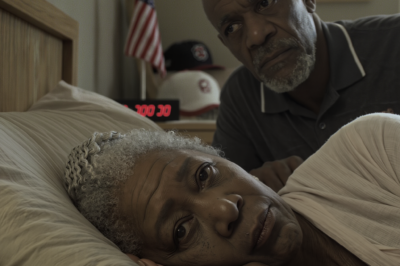
For seven months, every single night at exactly 2:47 a.m., my husband would rise from our creaking bed, cross the dark room, and stand on my side just watching me breathe—until the night I pretended to sleep and finally heard what he was whispering, and the truth behind that 2:47 ritual shattered everything I thought I knew about my life.
For seven months, every single night at 2:47 in the morning, my husband would stand right next to my…
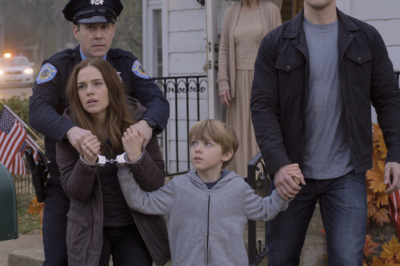
My son and his wife left me for a seven-day cruise with my “mute” 8-year-old grandson, but the second the lock clicked, he looked up and whispered, “Grandma, don’t drink the tea Mama made for you”—and that was the moment I realized this week wasn’t babysitting… it was a test I might not survive.
My son and his wife flew off on a cruise, leaving me alone for a week with my 8-year-old grandson,…
End of content
No more pages to load